Regit Decor
Premium Structural & Decorative Solutions
Explore our engineering-grade thermally fused laminates, structural marine panels, and moisture-resistant composite boards designed for architectural and high-stress industrial applications.
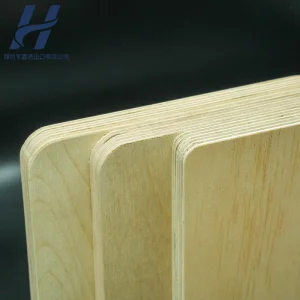
Low Price High Glossy Marine Grade Plywood Furniture Melamine Plywood
View Specifications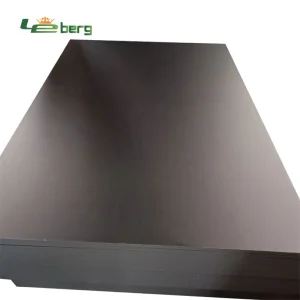
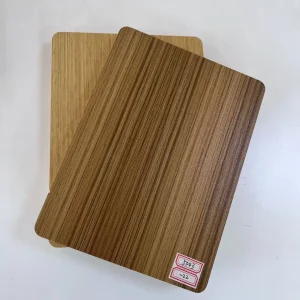
F17 Formply Certified Structural Grade Plywood
View Specifications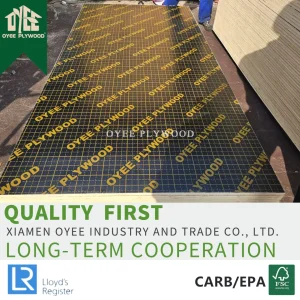
1220X2440X18mm Film Faced Plywood/Shuttering Plywood for Construction Building Material Marine Plywood
View Specifications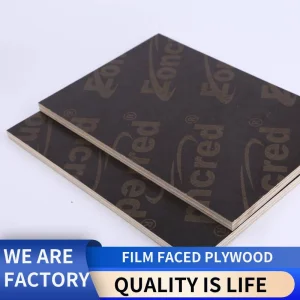
Best Price 4X8 12mm 18mm Film-Faced Shuttering Plywood Sheet Bamboo Plywood for Construction
View Specifications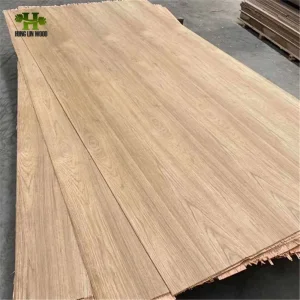
Fancy Decorative Teak Veneered Plywood / Block Board /MDF
View Specifications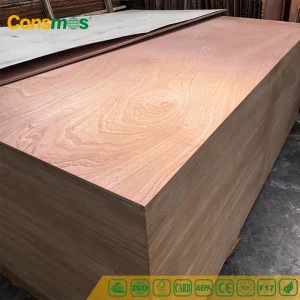
100% Okoume Veneer E0 Commercial Furniture Biz Standard Film Faced Birch Plywood 1220×2440×18mm
View Specifications
High Quality 12mm 15mm 18mm Waterproof Furniture Grade Sapele Bintangor EV Poplar Birch Veneer Hardwood Commercial Plywood Boards
View Specifications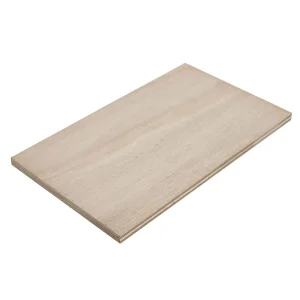
Premium Quality Birch Plywood Sheets for Versatile Applications
View SpecificationsGlobal Thermal Fused Plywood Commercial & Industrial Reality
Analyzing key structural trends, manufacturing shifts, and environmental mandates driving the high-performance panel industry.
The Shift Toward Thermally Fused Technology
In modern architecture, commercial interior design, and manufacturing, the demand for resilient surfaces has evolved beyond superficial aesthetics. Traditional glue-on decorative laminates (HPL) are increasingly being replaced by Thermally Fused Laminates (TFL) and Thermally Fused Plywood (TFP). Unlike traditional cold-pressed panels which rely on secondary adhesives prone to delamination, TFP utilizes a specialized process where decorative impregnated resin paper is molecularly fused to the structural core under intense heat (typically 300°F to 400°F) and high pressure (up to 450 psi). This initiates a chemical cross-linking of thermosetting melamine resins, making the decorative surface an inseparable component of the core substrate.
Historically, TFL was confined to particleboard and medium-density fiberboard (MDF) cores. However, structural advancements have catalyzed the emergence of Thermal Fused Plywood. This combination offers the unparalleled dimensional stability and multi-layer structural tensile strength of plywood alongside the scratch, moisture, and chemical resistance of melamine resins. Consequently, global markets in North America, Western Europe, and Asia-Pacific are witnessing a surging adoption of TFP in institutional millwork, high-traffic commercial furniture, and marine applications.
The Engineering Behind Thermal Fused Panels
Understanding the molecular science behind thermal fusion explains its mechanical superiority. Standard laminating processes rely on water-based or polyurethane adhesives to form a physical bond between a laminate sheet and the substrate. These bonds are highly vulnerable to localized temperature spikes, extreme humidity fluctuations, and organic solvent exposures.
Thermal fusion operates on a completely different mechanical paradigm:
- Thermosetting Resins: Impregnated paper sheets are saturated with thermosetting melamine-urea-formaldehyde (MUF) or pure melamine resins.
- Polymerization & Cross-linking: When subjected to hot presses, these monomers undergo a rapid polymerization process, creating complex three-dimensional cross-linked network chains.
- Core Penetration: The liquefied resin penetrates the microscopic interstitial wood fibers of the plywood's outer veneer layers, curing into a dense, non-porous composite structure.
- Perfect Cohesion: The final product features zero adhesive seam lines, preventing water ingress, mold cultivation, and edge peeling—frequent problems observed in traditional millwork.
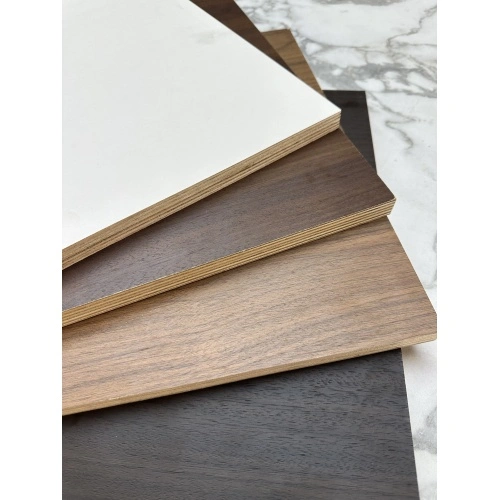
China Factory Efficiency Edge: Guangdong Regit Decor Case Study
Analyzing how industrial integration, raw material selection, and rigorous process control maintain the competitive advantage of top Chinese exporters.
China remains the undisputed powerhouse in global plywood and composite board production, accounting for over 50% of the world's supply. The competitive advantage of Chinese factories is not merely a matter of labor scale, but rather a reflection of complete vertical supply-chain integration, state-of-the-art short-cycle hot press lines, and highly localized raw material ecosystems. Guangdong Regit Decor Co., Ltd. stands as a primary representative of this industrial supremacy, combining ecological commitment with high-precision technological execution.
Guangdong Regit Decor Co., Ltd. is a distinguished brand reflecting a profound dedication to the natural world, craftsmanship, and artistic excellence. Rooted in the guiding principle of "understanding nature's great love and conveying its beauty," the company places sustainability at the heart of its product development. With a harmonious blend of natural aesthetics and practical functionality, Regit Decor has established itself as a leader in innovative and sustainable design, continually pushing the boundaries of what high-end decor can achieve.
At Regit, sustainability is not just a commitment—it is a core value that shapes every facet of the brand. We take great care in selecting materials that not only meet international environmental standards but also offer exceptional performance and durability. Whether it's plywood for structural furniture frames, particle board and chipboard for foundational use, each material is chosen with the utmost attention to environmental impact, ensuring minimal resource waste and maximum efficiency. Through advanced processing techniques, we preserve the natural textures and stability of each material, elevating them into products that are as functional as they are beautiful.
One of the key elements that sets Regit Decor apart is our innovative use of melamine board, which is carefully integrated into our designs. Known for its wear-resistant and moisture-proof characteristics, melamine board significantly enhances the longevity and resilience of our products. Beyond functionality, its diverse range of colors, patterns, and finishes allows us to infuse natural textures with aesthetic beauty, offering products that are both practical and visually striking. This fusion of nature and design creates pieces that are timeless and sustainable, elevating the spaces they inhabit.
Furthermore, Regit Decor is committed to integrating cutting-edge digital technology into the design and manufacturing process. By harnessing the power of digital tools, we are able to push the boundaries of traditional materials, reimagining the potential of plywood, particle board, chipboard, and melamine. This technology allows us to create products that are not only highly functional but also visually unique, breaking new ground in the high-end decor industry.
Advanced Processing & Production Infrastructure
A closer look at the step-by-step technological workflow utilized at our manufacturing facility to guarantee zero delamination and precise dimensional tolerance.
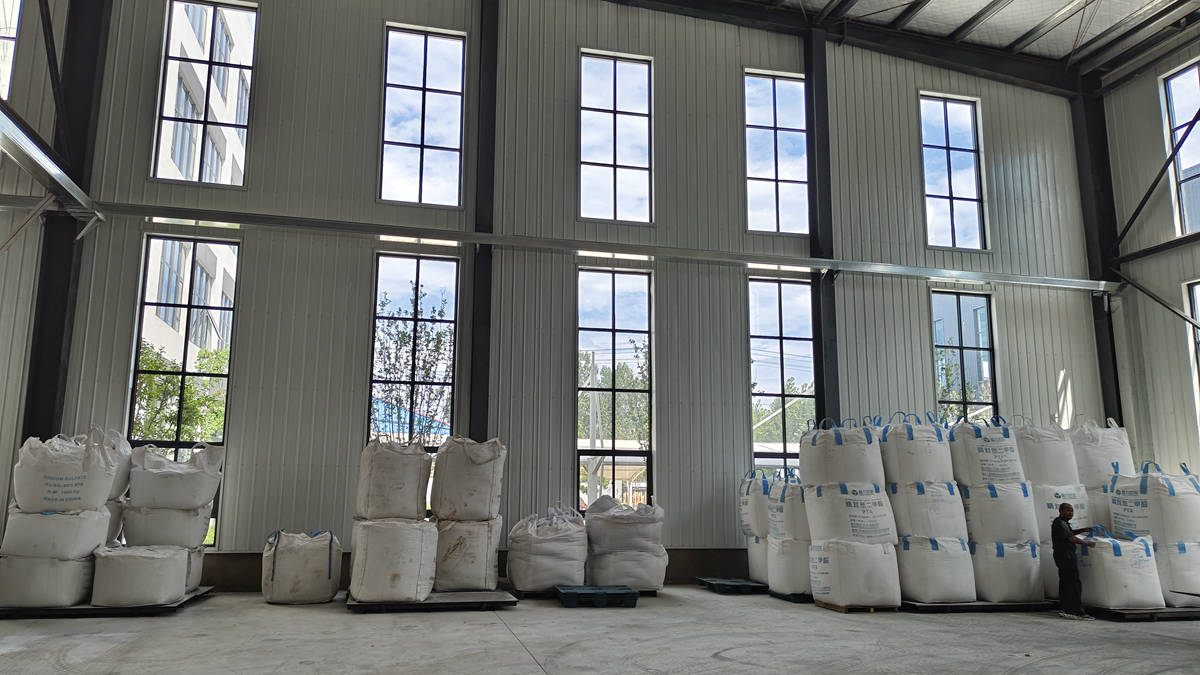
Raw Materials
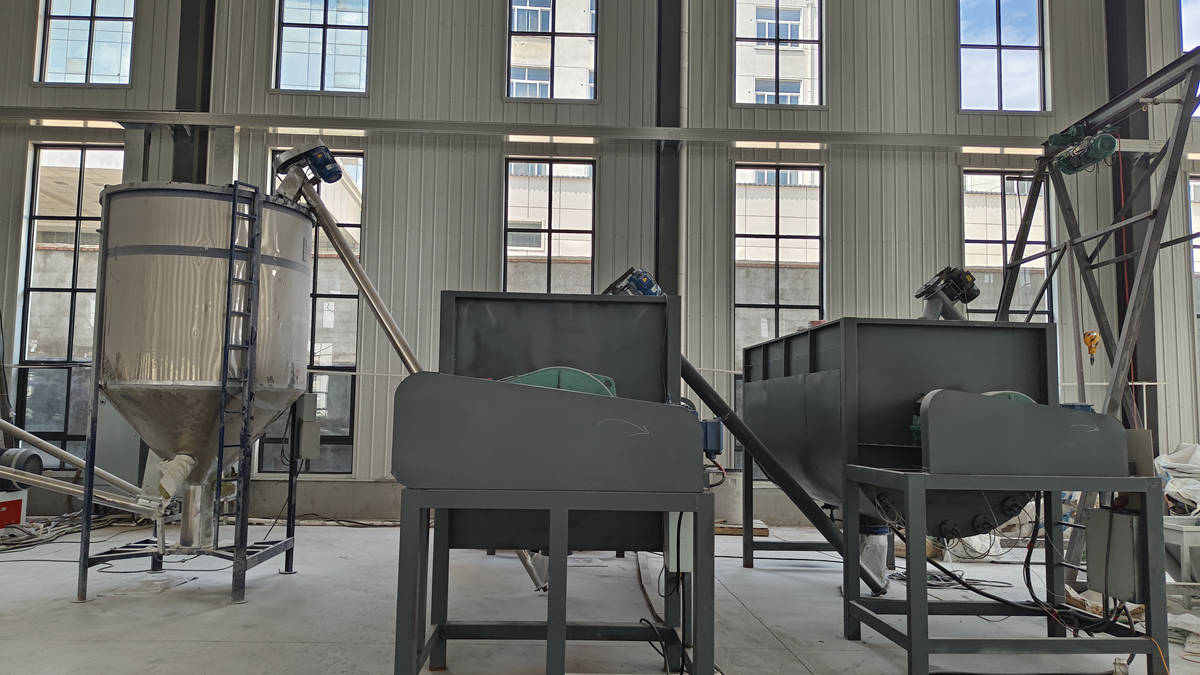
Material Mixing
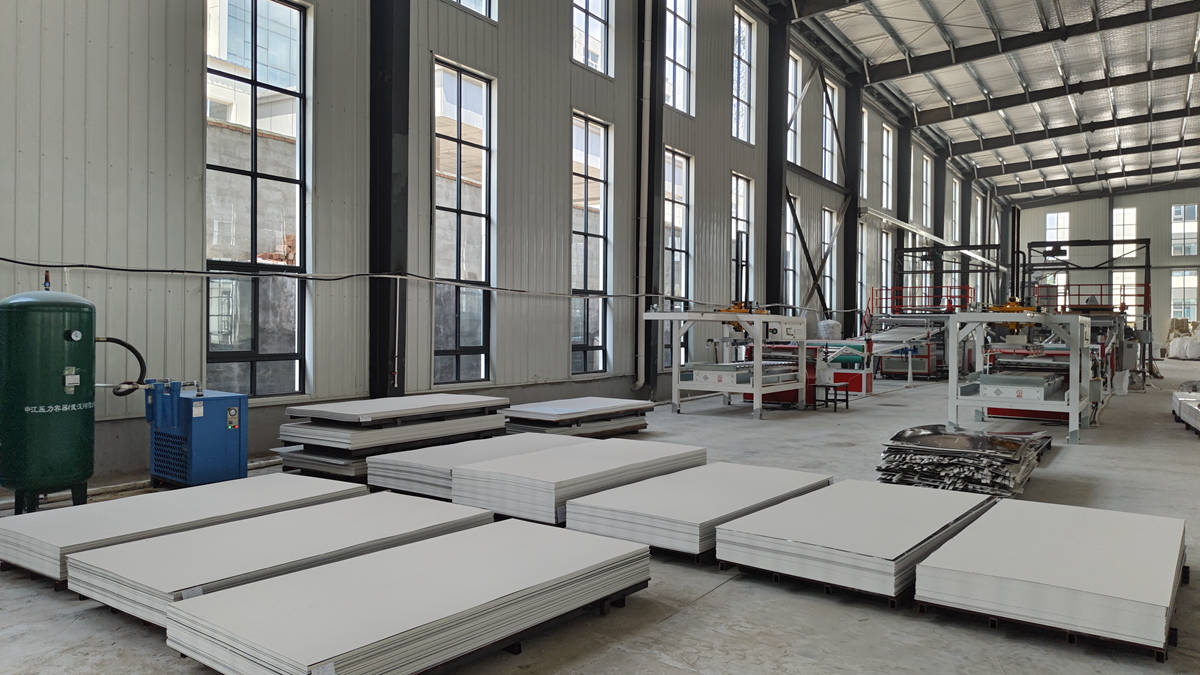
Extruding Core
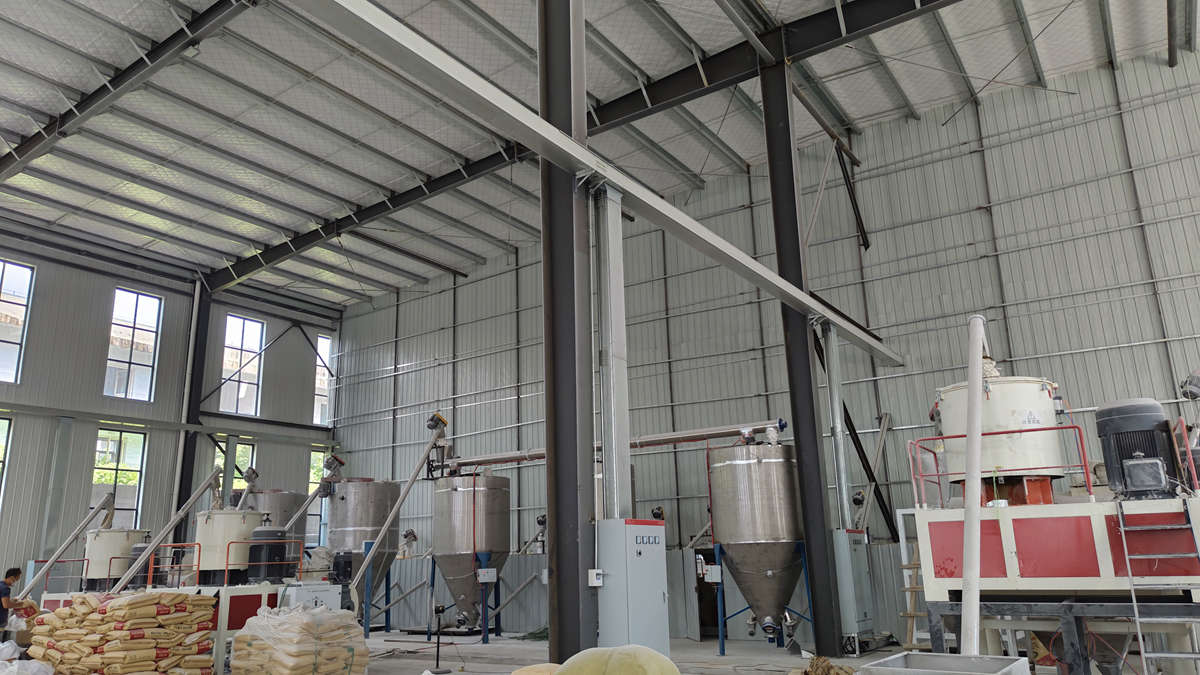
Raw Mixing II
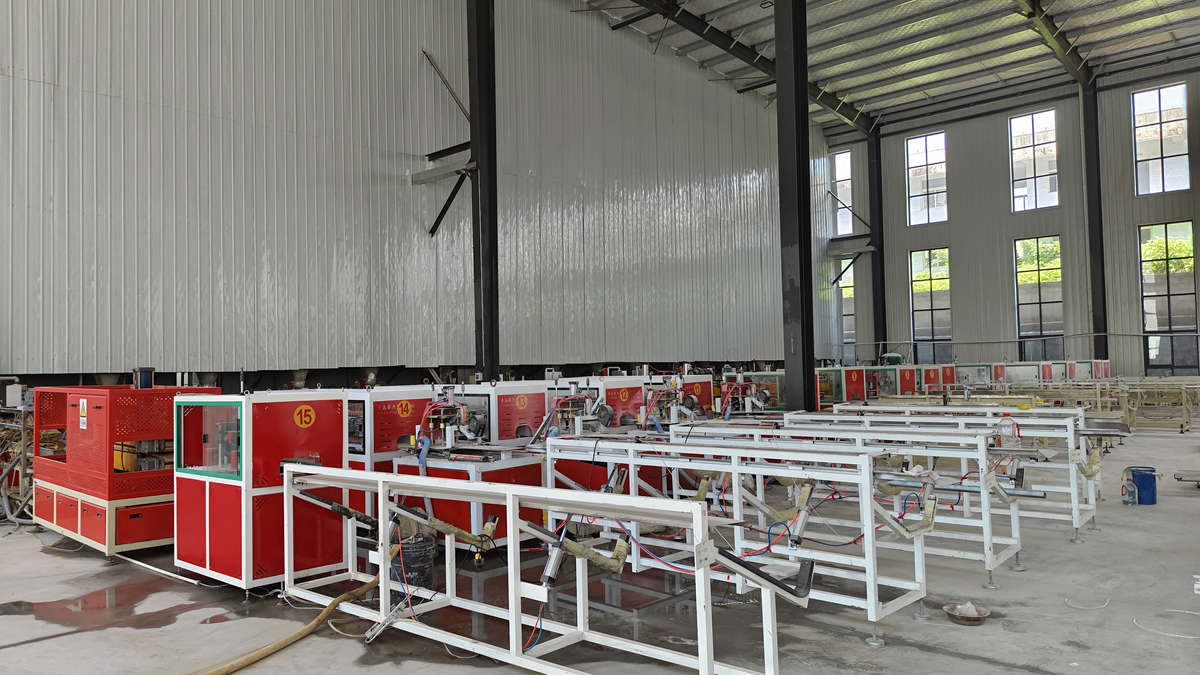
Extruding II
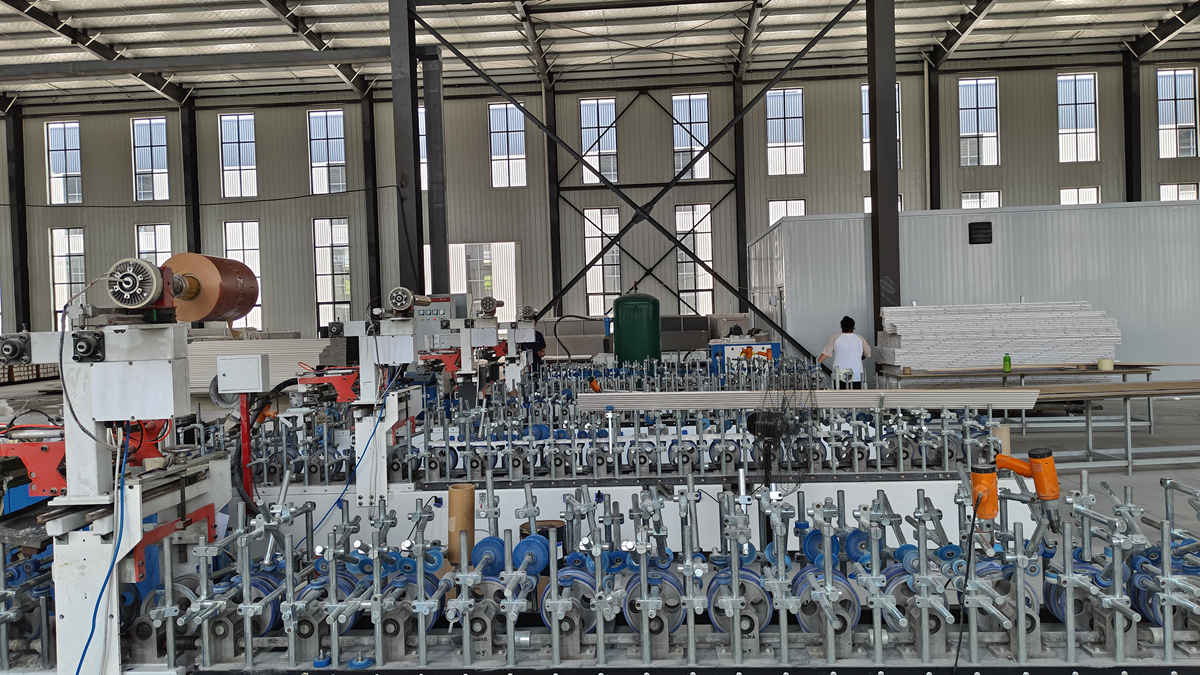
Laminating
To further scale precision millwork operations, the manufacturing line at Guangdong Regit Decor integrates top-tier capital equipment for sizing, shearing, and hydraulic pressing:
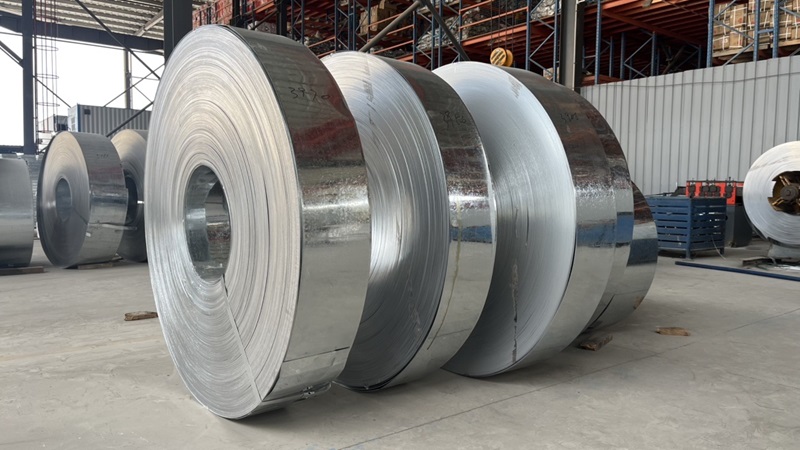
Raw Material Prep
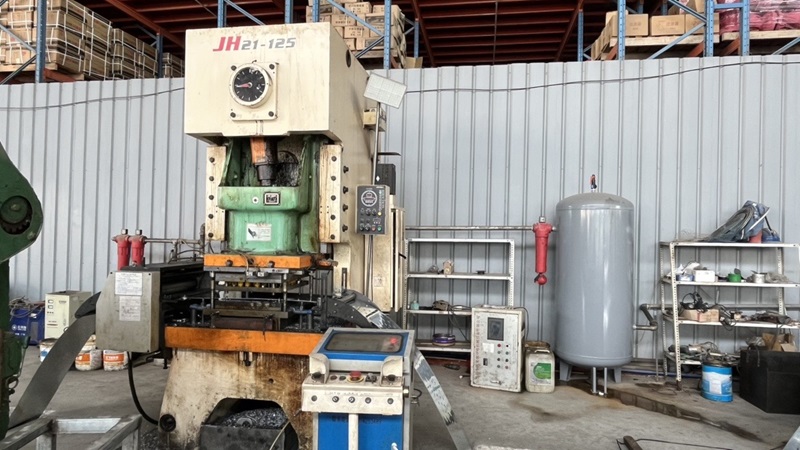
Processing Line
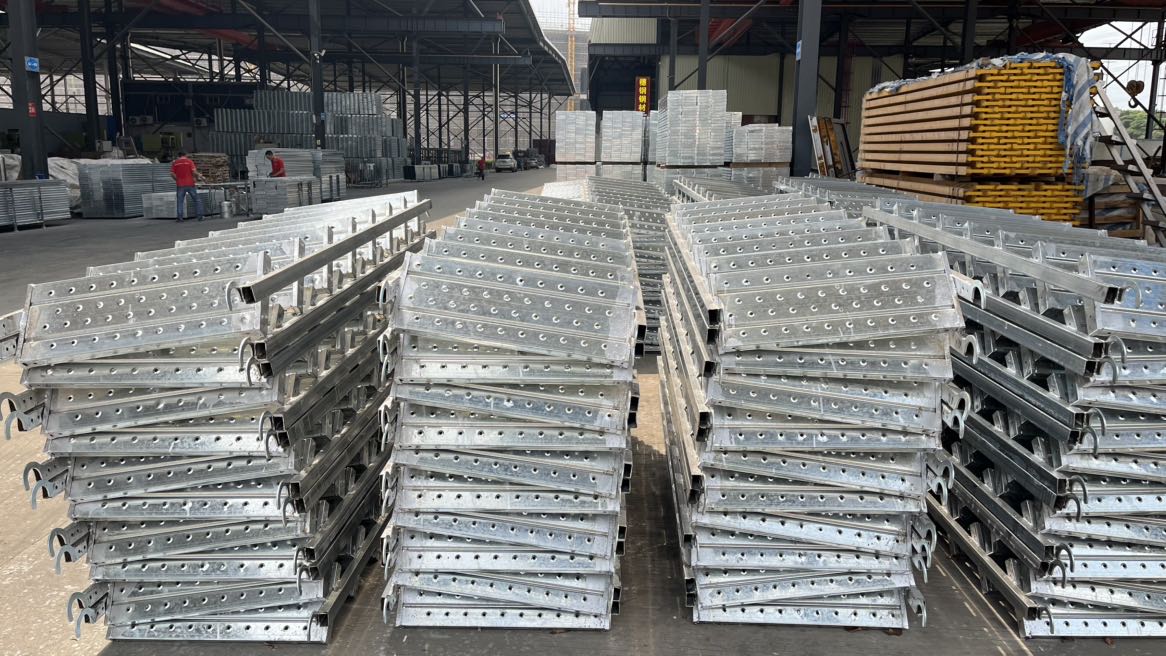
Finished Product
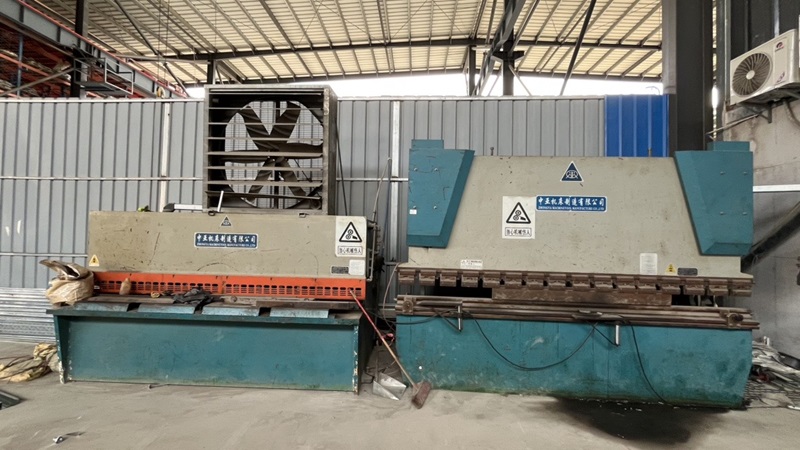
Hydraulic Swing Beam Shears
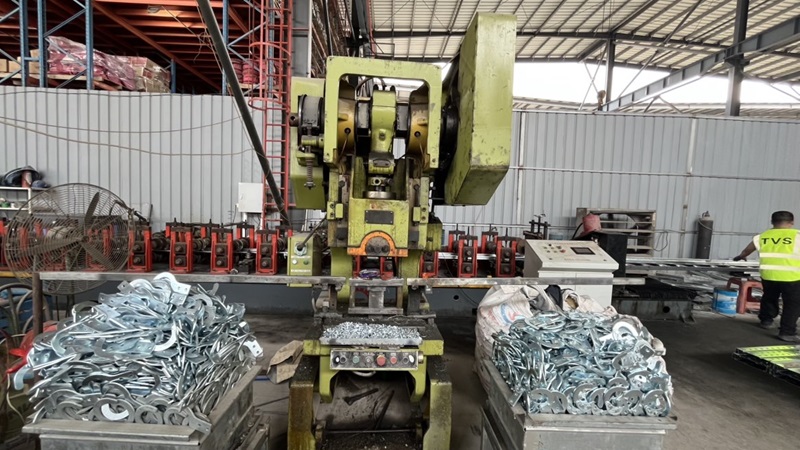
Open-type Inclinable Press
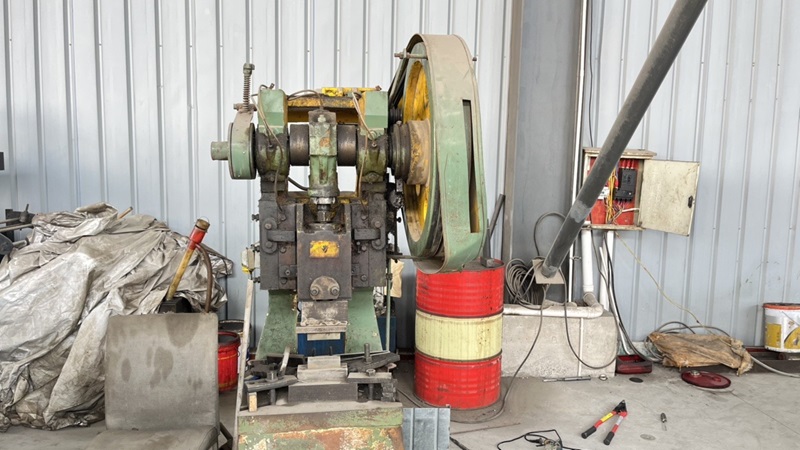
Processing Machine
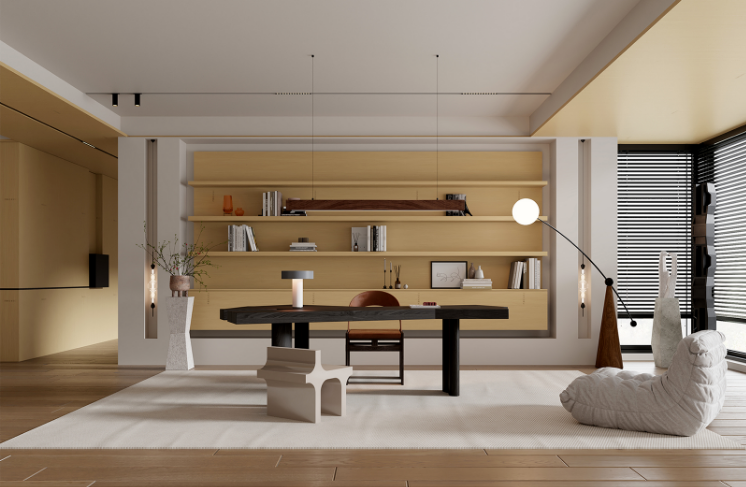
Targeted Applications for Thermal Fused Panels
Matching specific material properties with high-demand commercial, architectural, and industrial environments.
Hospitality & Institutional Millwork
For hotels, hospitals, and educational institutions, surfaces must withstand abrasive sanitization chemicals, physical impacts, and maintain strict low-VOC emission profiles. Melamine-faced plywood cores guarantee structural integrity, reducing cabinet door sag and high screw-holding power.
Marine & Structural Formwork
In high moisture zones, concrete shuttering, and marine interiors, waterproof WBP phenolic and melamine-faced marine-grade core boards deliver predictable shear strength, preventing panel degradation even under repetitive structural casting loads.
Modern Office Millwork & OEM Cabinets
Modular desk systems, retail storage display racks, and high-end residential kitchen cabinets benefit from the expansive color palette, texture alignments, and superior edge-banding properties of 9mm-18mm E1-compliant engineered boards.
Procurement Strategies for Enterprise Buyers
Sourcing large volumes of engineered structural panels requires evaluating manufacturers on more than unit costs. Global supply chain managers must verify several core pillars:
- Emission Certifications: Compliance with EPA TSCA Title VI, CARB Phase 2, and European E0 standards. Non-compliant shipments face border rejection.
- Core Quality Consistency: Verify that the core veneers contain minimal internal voids. Void-filled cheap plywood leads to internal bubbling under the pressure of thermal laminating presses.
- Resin Impregnation Density: Insist on 100g/m² to 120g/m² melamine resin densities to ensure deep texture embossing and scratch resistance.
- Logistics and Container Optimization: Verify that packaging utilizes moisture-absorbent silica packs and sturdy edge protectors to prevent corner damage during long sea transits.
Industry Developments & Future Outlook
Digital Printing Integration: Instead of relying entirely on rotogravure press runs, advanced factories are integrating industrial-scale inkjet units. This allows custom texture runs with minimum setups, bringing bespoke designer options to massive production scales.
Bio-based Adhesives: With regulations tightening on urea-formaldehyde systems, the market is aggressively pivoting toward lignin-derived and soy-based adhesives to achieve near-zero formaldehyde emissions.
Synchronized Texture Pressing (EIR): Synchronized press plates align the mechanical wood grain texture perfectly with the printed visual wood grain, rendering composite surfaces indistinguishable from real veneers at a fraction of the raw material cost.
Expert Q&A: Thermal Fused Plywood Demystified
Direct technical answers addressing the most common inquiries from sourcing directors, millwork contractors, and architects.
Commercial Cabinetry & Industrial Composite Sheets
Discover our range of dense, abrasion-resistant, and structural core composite options engineered to lower raw material assembly overheads.
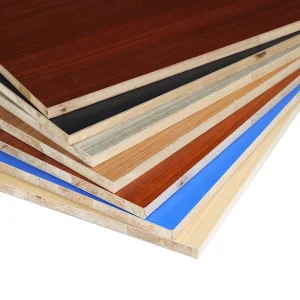
Hot Sales Durable Melamine Plywood Flexible Melamine Plywood for Kitchen Cabinets
View Specifications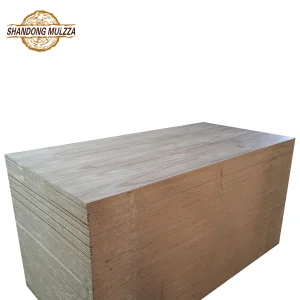
Melamine with MDF / Chipboard /OSB/Plywood E1glue for Furniture 9mm in Linyi
View Specifications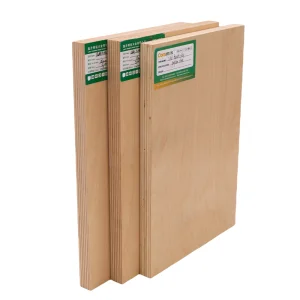
Competitive Price 18mm Waterproof Premium Cabinet Grade B/Bb Baltic Birch Plywood for Furniture
View Specifications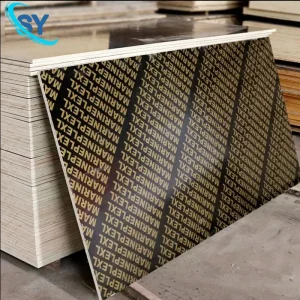
WBP, High Quality, Phenolic Adhesive, Poplar Wood, Eucalyptus Wood, Multi-Layer Board, Laminated Board, Commercial Standard, 18mm, Plywood
View Specifications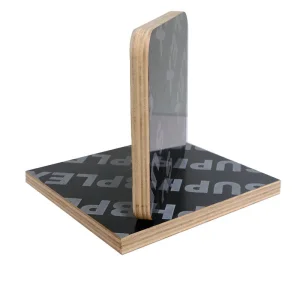
Cheapest 12/15/18mm 15-30 Turnover Times Marine Plywood Film Faced Plywood
View Specifications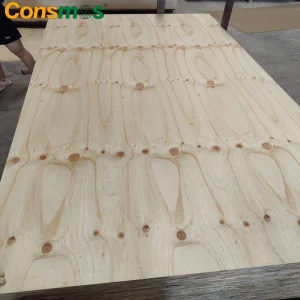
Construction Grade Structural Pine Plywood 4*8FT Exterior CDX Shuttering Plywood
View Specifications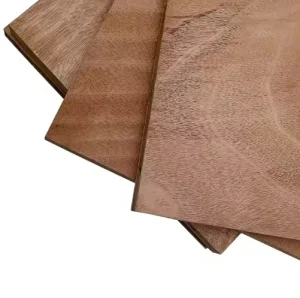
Factory Sales Cheap Customize Birch Veneer Sheets Fire Retardant Plywood
View Specifications