 Regit Decor
How to Waterproof Plywood for Outdoor Use Effectively?
When exploring the topic of how to waterproof plywood for outdoor use, it is crucial to consider the challenges posed by weather conditions. According to a report from the American Wood Council, untreated plywood can degrade significantly within three to five years when exposed to moisture and UV rays. This highlights the importance of effective waterproofing techniques.
A recent industry study found that about 50% of wood products fail prematurely due to inadequate protection from environmental elements. This reality prompts many to seek effective solutions for preserving the integrity of plywood in outdoor settings. Various methods exist, yet not all are equally effective or reliable.
Understanding how to waterproof plywood for outdoor use involves assessing different treatments, coatings, and sealants. Some products claim to provide exceptional protection but may ultimately fall short. Careful selection based on durability and application is essential. This complex situation emphasizes the need for informed choices.
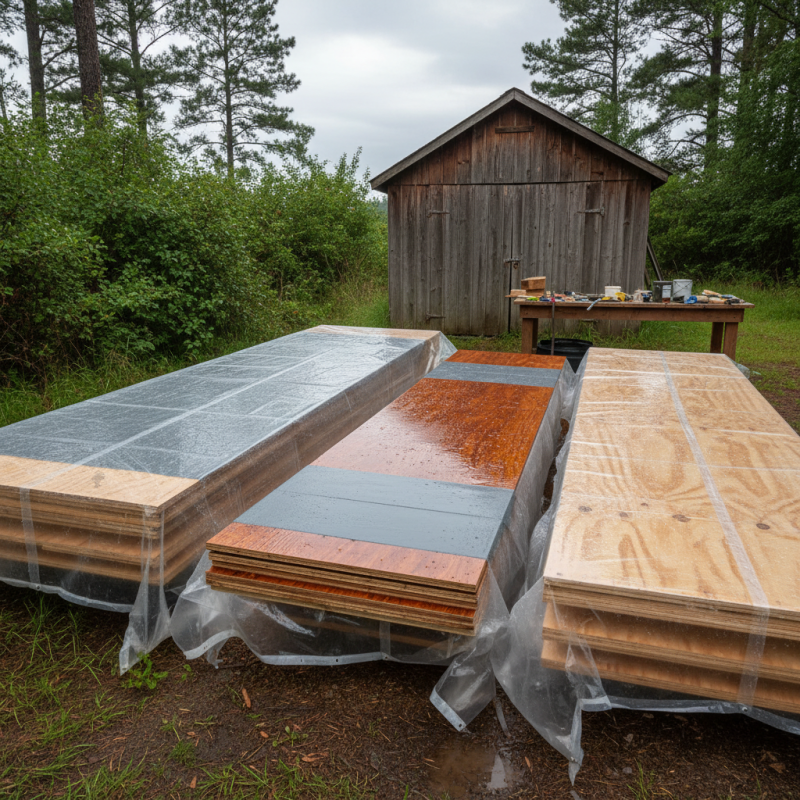
Understanding the Importance of Waterproofing Plywood for Outdoor Use
Waterproofing plywood for outdoor use is crucial. Plywood is vulnerable to moisture, which can lead to warping, rotting, and structural damage. A report from the Forest Products Laboratory indicates that untreated wood can absorb moisture, leading to a significant reduction in lifespan. Without waterproofing, you might notice deterioration within a few years, especially in humid climates.
Effective waterproofing prevents these issues. Using sealants or coatings can extend the life of plywood significantly. According to industry studies, properly sealed plywood can last up to 15 years outdoors compared to untreated boards, which often fail much sooner. It's essential to choose the right waterproofing method. Options include epoxy coatings and water-repellent preservatives. Each method has its strengths and weaknesses that need careful consideration.
A common oversight is failing to regularly reapply waterproofing treatments. Maintenance is often neglected, yet it plays a critical role in preserving the integrity of plywood. This neglect might result in premature failures. Regular inspections can help identify issues early and mitigate potential damage. If you overlook the importance of waterproofing, the longevity of your outdoor structures may be severely compromised.
FAQS
: Marine-grade plywood is recommended for moisture resistance and durability in outdoor conditions.
Thicker plywood provides better stability and strength, making it ideal for outdoor applications.
Pressure-treated plywood is chemical-treated to resist decay but may have a chemical scent.
Higher veneer grades have fewer knots, enhancing both strength and aesthetic appeal.
Unprotected plywood can warp, rot, and suffer from water damage over time.
Apply the sealant evenly with a brush or sprayer, covering edges, seams, and allowing it to dry completely.
Yes, marine varnish provides strong water resistance and UV protection; light sanding improves adherence.
Inspect plywood annually for wear, such as peeling, to avoid water damage and costly repairs.
Address signs of wear promptly, as they can lead to further water damage if ignored.
Yes, regular maintenance may be time-consuming, but it significantly extends the plywood's lifespan.
Conclusion
Waterproofing plywood for outdoor use is essential to ensure its longevity and durability, as exposure to moisture can lead to warping and decay. When considering how to waterproof plywood for outdoor use, it's important to first select the right type of plywood, such as marine-grade or exterior-grade options, which are designed to withstand outdoor elements.
Effective techniques for waterproofing include applying multiple coats of high-quality sealants and finishes that enhance the plywood’s resistance to water. Furthermore, regular maintenance is crucial to keep the plywood in optimal condition; this may involve reapplying sealants and inspecting for any signs of wear. By following these guidelines, one can effectively protect outdoor plywood projects from the damaging effects of moisture.
