Plywood is a common material in construction and furniture making. However, many people often wonder, "Why does plywood have different grades?" The answer lies in various factors such as appearance, strength, and intended use. Different grades indicate the quality of the plywood, affecting both aesthetics and performance.
For instance, higher grades offer a flawless surface and superior strength. These are ideal for visible projects like cabinets and furniture. In contrast, lower grades may feature knots and blemishes. They are often used in less visible applications, such as framing or subfloors. This grading system can be confusing for buyers who may lack experience.
Understanding different plywood grades is essential. Mistakes can lead to project failures or cosmetic issues. It is vital to select the right grade for your specific needs. Recognizing the differences can save time and resources. Don't overlook this critical aspect of your project planning.
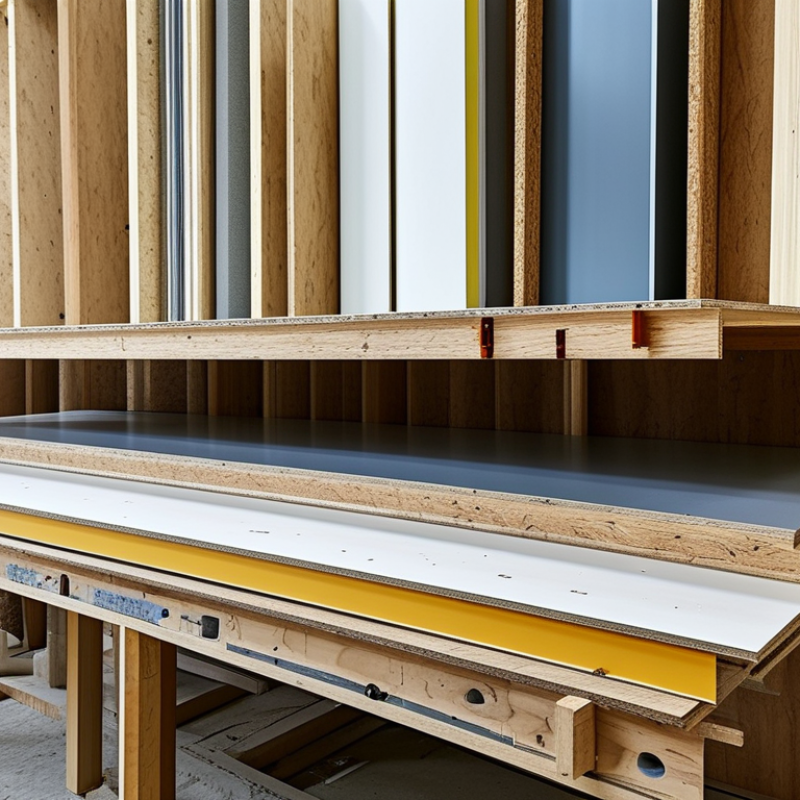
Plywood comes in various grades, each characterized by its construction and intended use. A-grade plywood features a smooth surface, perfect for visible applications like furniture. It generally contains a limited number of imperfections, which enhances its aesthetic appeal and durability. In contrast, C-grade plywood may have more knots and patches, making it suitable for structural uses where appearance isn’t a priority. Each type meets specific needs in construction and design.
B-grade plywood serves as an intermediary. It may show some imperfections but is still strong enough for use in cabinets or wall panels. These grades indicate not just quality but also the expected lifespan of the material. Understanding these differences empowers consumers to make informed choices. Reflecting on the project’s needs is crucial. A high-grade option may be wasted in a hidden subfloor, while a lower grade might not hold up in a high-traffic area. Balancing aesthetics with functionality is key in selecting the right plywood grade.
Plywood grades vary significantly based on several factors. The quality of the wood veneer used is crucial. Higher-grade plywood uses better and fewer defects, providing superior strength and appearance. Lower grades contain more knots and imperfections, which can affect structural integrity.
Environmental influence also plays a role in plywood quality. Humidity and temperature during manufacturing can impact glue adhesion and overall durability. Proper storage and handling are essential to maintain these qualities. Even the thickness of the veneer layers matters. Thicker layers tend to produce stronger and more resilient plywood.
Ultimately, selecting the right grade requires an understanding of these factors. Home projects might not demand the highest quality, but construction tasks often do. Recognizing the trade-offs can lead to better decision-making. Consider the specific use and budget. Often, the most expensive option isn't always the best fit. If unsure, consult with a professional for guidance.
Different plywood grades serve various purposes in construction and woodworking. For instance, A-grade plywood has a smooth and blemish-free surface, making it perfect for visible applications. It is often used for high-end furniture and cabinetry. Its quality allows for excellent finishes, enhancing aesthetic appeal.
On the other hand, B-grade plywood, while still useful, may contain minor defects. Its more rugged surface is ideal for internal structures where aesthetics are less critical. Construction projects frequently utilize B-grade plywood for subflooring or wall sheathing. Additionally, C-grade plywood is more affordable and suited for projects like crates or temporary structures.
One must consider the specific requirements of each project. Not all grades are suitable for every use. Sometimes, mistakes happen, leading to the selection of the wrong grade. This can impact the durability and appearance of the final product. Understanding the nuances of plywood grades can guide better purchasing decisions.
This chart illustrates the common uses for different plywood grades, highlighting their strengths and suitability for various applications.
Plywood grading is essential for ensuring quality and performance in construction and furniture applications. Standards and regulations help determine these grades, protecting consumers from inferior products. The American Plywood Association (APA) outlines specific criteria, such as appearance, strength, and durability, to classify plywood into various grades. For example, grades range from A, with a smooth surface, to D, which may exhibit knots and defects.
Understanding these grades is crucial for ensuring safety and longevity. A recent study from the Forest Products Laboratory showed that improper grading can lead to structural failures. Each plywood grade has distinct applications, influencing design choices. For instance, using a lower-grade plywood in structural applications may compromise the integrity of a project. Being informed about these standards can lead to better decision-making.
When choosing plywood, consider the intended usage. Higher grades are ideal for visible surfaces, while lower grades can suffice for hidden structural components. Always verify that products meet established regulations. Doing so can prevent issues down the line. Many builders overlook these details, affecting project outcomes. Knowledge of plywood grading standards is a valuable asset for both professionals and DIY enthusiasts.
| Grade | Description | Common Uses | Regulatory Standards |
|---|---|---|---|
| A Grade | Smooth surface, no knots. | Cabinetry, furniture. | ANSI/HPVA HP-1 |
| B Grade | Minor defects allowed, knots up to 1 inch. | Shelving, cabinetry. | ANSI/HPVA HP-1 |
| C Grade | More knots, larger defects. | Construction, framing. | ANSI/HPVA HP-1 |
| Structural | Designed for strength and durability. | Load-bearing applications. | AWC NDS, ANSI/HPVA HP-1 |
| Paint-Grade | Optimized for painting, minor surface defects. | Interior applications where finish is important. | ANSI/HPVA HP-1 |
Choosing the right plywood grade for your project can be daunting. Plywood comes in various grades, each offering unique characteristics. Identifying your needs is crucial. Consider what you will use the plywood for. Is it structural support or an aesthetic finish? This can greatly influence your grade selection.
When selecting plywood, look for the type of veneer. Higher-grade plywood features fewer defects and a smoother surface. For decorative projects, opt for A or B grades. If the plywood will be hidden, C or D grades might suffice. Keep in mind that lower grades can have knots and discoloration, which may affect the final look of your project.
Consider these factors: durability, appearance, and cost. Balance your needs with budget constraints. Inspect the sheets for warping or excessive defects. Not all plywood is created equal, so it’s vital to take time during selection. A small misstep can lead to significant issues. Making informed choices can prevent future headaches and mismatched appearances in your work.
: Plywood grading ensures quality and performance in construction. It protects consumers from inferior products.
Criteria include appearance, strength, and durability. This helps classify plywood into varying grades.
Improper grading may cause structural failures. It’s critical for safety and longevity of constructions.
Higher grades, such as A or B, are ideal for visible surfaces. They offer better aesthetics and fewer defects.
Yes, but using lower grades may compromise project integrity. Assess your specific needs before choosing.
Check for warping and excessive defects. Not all plywood is the same, and careful inspection is vital.
Consider durability, appearance, and budget. Making informed choices prevents future issues.
Yes, C or D grades might suffice. Just be aware of potential knots and discoloration.
Overlooking these details can affect project outcomes negatively. It may lead to mismatched appearances or structural issues.
Always verify that products meet established standards. This can prevent complications later in your project.
Understanding plywood grades is essential for selecting the right material for various projects. Plywood is categorized into different grades based on characteristics such as surface quality, thickness, and durability. Factors influencing these grades include the type of wood used, the manufacturing process, and adherence to industry standards. Common uses vary widely; for instance, higher grades are typically employed in furniture and cabinetry, while lower grades might be suited for construction and temporary structures.
The question, "Why does plywood have different grades?" can be answered by recognizing that these distinctions help consumers choose the appropriate plywood for specific applications while ensuring quality and performance. Standards and regulations play a significant role in establishing grading criteria, guiding consumers through their selection process and ensuring that their chosen plywood meets the needs of their particular projects.

Regit Decor